Navigating Roof Insurance Claims: 5 Common Pitfalls to Avoid
Dealing with the aftermath of a severe storm is stressful enough without the added headache of a complex insurance hierarchy. For many homeowners, the process of navigating roof insurance claims feels like walking through a minefield where one wrong step can lead to a denied claim or a significantly undervalued settlement. Whether you are dealing with hail impact, wind-stripped shingles, or falling debris, understanding how the insurance industry operates is the key to protecting your home’s value and your financial well-being.
To successfully navigate roof insurance claims, homeowners must avoid filing without a professional inspection, failing to document damage immediately, and misunderstanding policy terms like RCV versus ACV. Engaging a reputable contractor early ensures technical evidence of storm damage—rather than wear and tear—is presented clearly to the insurance adjuster to maximize your claim value.
At Evolve Construction, we believe that transparency is the foundation of a successful restoration. Our team has helped thousands of property owners move from the initial shock of storm damage to the total restoration of their assets. This guide is designed to highlight the most common errors made during the claims process and provide you with a clear roadmap to ensure your roof is restored to its pre-loss condition—or better.
Introduction: Why Most Roof Claims Fail (And How to Ensure Yours Doesn’t)
Insurance companies are businesses, and like any business, they aim to manage their liabilities. This often means that if a homeowner cannot provide clear, irrefutable evidence that damage occurred during a specific covered peril (like a named storm), the claim is at high risk of being minimized or outright denied. Many claims fail not because there isn’t damage, but because the homeowner didn’t follow the specific procedural requirements laid out in their policy. Understanding the nuances of your coverage is the first step toward a successful outcome.
One of the most frequent reasons for failure is the “proof of loss” requirement. Most policies stipulate that the insured must provide a detailed account of the damage and its cause within a specific timeframe. When homeowners wait too long or provide vague descriptions, the insurance company may argue that the damage was pre-existing or caused by neglect rather than a sudden event. This is why a proactive, documentation-heavy approach is essential from the moment the storm passes.
Furthermore, the disconnect between what a homeowner sees and what an adjuster looks for can be vast. A homeowner might see a few missing shingles, but a professional sees compromised underlayment and thermal seal failure. Without a professional advocate who knows the technical language of roofing and insurance, you are essentially going into a high-stakes negotiation without the necessary data. Success in navigating roof insurance claims requires a blend of speed, documentation, and expert partnership.
Pitfall 1: The Documentation Gap—Going Beyond Basic Photos
When a storm hits, most people take a few quick photos of their yard or a missing shingle from the ground. Unfortunately, this level of documentation rarely suffices for a full roof replacement claim. Adjusters need to see the “extent and origin” of the damage. This means you need close-up shots of hail bruising, wide-angle shots to show the scope across different roof slopes, and clear evidence of interior leaks that might have been triggered by the exterior damage.
Using Digital Tools for Irrefutable Proof
In the modern era, “irrefutable proof” has gone digital. We highly recommend using timestamped photo apps that embed the GPS coordinates and the exact time/date into the metadata of the image. Additionally, weather-tracking apps and services like HailTrace or Benchmark can provide site-specific reports showing that hail of a certain size or wind of a specific speed actually hit your address on the date you are claiming. Presenting this data alongside your photos makes it very difficult for an insurer to claim the damage didn’t happen when you said it did.
Documenting Indirect Damage
Don’t just look at the roof. Document damage to “soft metals” like gutters, downspouts, window wraps, and AC fins. These items are often the “canary in the coal mine” for insurance adjusters. If the gutters are dented by hail, it serves as circumstantial evidence that the shingles—which are harder to see damage on from a distance—were likely hit with the same force. Comprehensive storm damage restoration documentation should include every affected surface of the property’s exterior.
Pitfall 2: The RCV vs. ACV Confusion—Understanding Your Payout Type
Perhaps the most significant financial shock homeowners face is realizing their policy doesn’t cover the full cost of a new roof. This usually stems from the difference between Actual Cash Value (ACV) and Replacement Cost Value (RCV). An ACV policy pays out the value of your roof at its current age. If you have a 20-year roof that is 10 years old, the insurance company will deduct 50% for depreciation, leaving you to pay the remaining balance out of pocket.
The Benefits of RCV Coverage
An RCV policy, on the other hand, is designed to cover the full cost of replacing the damaged roof with a new one of similar quality. While the initial check you receive might still have depreciation withheld, this is known as “recoverable depreciation.” Once the work is completed and an invoice is submitted, the insurance company releases the second check to cover that withheld amount. Understanding this two-step payment process is vital for budgeting your project correctly.
Navigating Deductibles and Out-of-Pocket Costs
Regardless of whether you have ACV or RCV, you will always be responsible for your deductible. A common pitfall is the belief that a contractor can “waive” or “absorb” the deductible. In many states, this is considered insurance fraud and can lead to serious legal consequences for both the contractor and the homeowner. Always plan for your deductible as a fixed out-of-pocket expense when navigating roof insurance claims.
Pitfall 3: The ‘Wear and Tear’ Denial—Distinguishing Maintenance from Storm Damage
Insurance adjusters are trained to look for reasons to classify damage as “maintenance issues” rather than “storm-related loss.” Common wear and tear includes granule loss due to age, “blistering” from poor attic ventilation, or shingles that have simply reached the end of their lifespan. If an adjuster can prove the roof failed because it was 25 years old and neglected, they will deny the claim. This is why having a clear distinction between a storm event and general aging is critical.
Identifying True Hail and Wind Damage
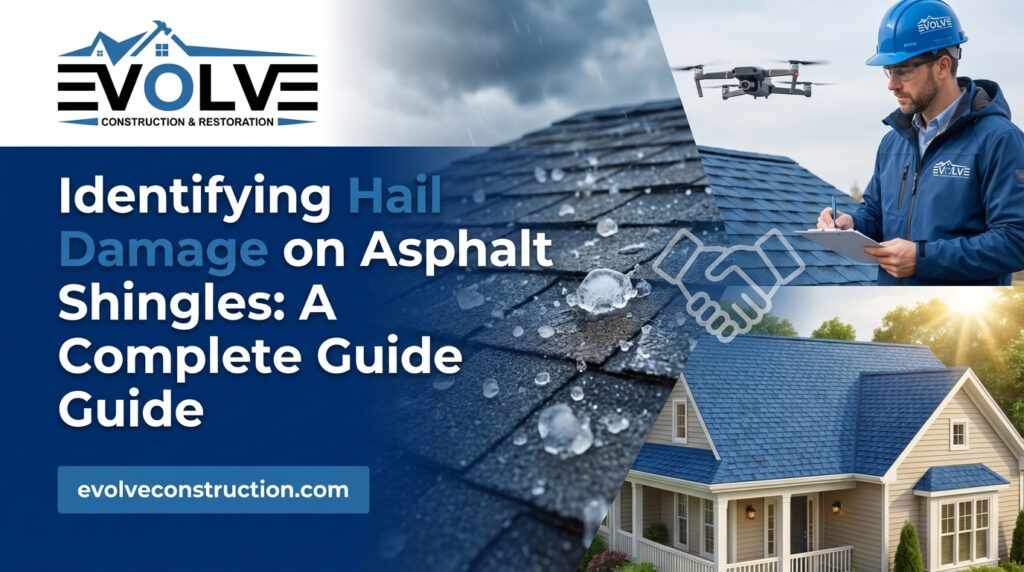
True hail damage looks like a bruise on an apple; it’s a circular indentation where granules have been forced into the asphalt mat. Wind damage typically involves shingles that are creased, flipped, or missing entirely. These are distinct from the uniform thinning or cracking seen in an old roof. A professional residential roofing expert can point out these specific markers to an adjuster, ensuring the conversation stays focused on the storm event.
The Importance of Mitigation
Most policies include a “duty to mitigate” clause. This means that if a storm creates a hole in your roof, you are legally required to put a tarp over it to prevent further water damage. If you leave it open and your hardwood floors are ruined three days later during a second rainstorm, the insurance company may deny the interior claim because you failed to take reasonable steps to prevent further loss. Always keep receipts for any emergency repairs you perform, as these are usually reimbursable.
Pitfall 4: Premature Filing—Why an Inspection Must Precede the Claim
One of the biggest mistakes homeowners make is calling their insurance company the moment the clouds clear without having the roof inspected first. Filing a claim creates a permanent record on your “CLUE” report (Comprehensive Loss Underwriting Exchange), which can affect your premiums even if the claim is denied. If you file a claim and the adjuster finds no damage, you’ve essentially taken a “hit” to your insurance history for no reason.
The Contractor’s Role in the Pre-Claim Phase
A reputable contractor will perform a thorough inspection and tell you honestly whether you have enough damage to warrant a claim. At Evolve Construction, we look for a specific density of “hits” per square (a 10×10 area) that aligns with industry standards for replacement. If the damage is minimal, it might be cheaper to pay for a small repair out of pocket than to risk a premium increase or a future non-renewal from your insurance carrier.
Coordinating with the Adjuster
Once you decide to file, your contractor should be present when the insurance adjuster arrives. Adjusters are human and can miss things—especially on a hot day after looking at ten other roofs. Having a contractor there to physically point out damaged areas, provide a professional estimate, and discuss code requirements ensures that the initial assessment is as accurate as possible. This collaborative approach often prevents the need for lengthy appeals later on.
Pitfall 5: The First-Offer Trap—Negotiating with Adjusters and Public Adjusters
It is rare for an insurance company’s first settlement offer to cover the entire cost of a high-quality roof restoration. Often, the initial estimate uses generic software pricing that doesn’t account for local labor rates, specialized materials, or modern building codes. Accepting this first check as the “final” amount is a major pitfall. You have the right to negotiate and provide evidence that the actual cost of repairs is higher than their initial assessment.
The ‘Supplement’ Process Explained
This is where the “Supplement” process comes into play. A supplement is an additional charge submitted to the insurance company for items that were missed in the original estimate or for costs that weren’t apparent until the work began (such as finding rotted decking under old shingles). A professional roofing company knows how to document these “hidden” costs with photos and invoices to ensure the insurance company pays for the full scope of the necessary work. This is a standard part of navigating roof insurance claims but is often ignored by less experienced contractors.
When to Consider a Public Adjuster
If you find yourself in a major dispute with your insurance carrier where they are denying a legitimate claim despite clear evidence, you might consider hiring a Public Adjuster (PA). Unlike the insurance company’s adjuster, a PA works for you. They typically take a percentage of the total claim (usually 10-15%). While often effective for massive, complex losses, a skilled roofing contractor can usually handle the technical negotiations for a standard residential claim without the extra cost of a PA.
Pitfall 6: Hiring ‘Storm Chasers’—How to Vet a Contractor for Insurance Work
After a major storm, “storm chasers”—out-of-state contractors who follow bad weather—often flood the area. They use high-pressure sales tactics, promising “free roofs” and offering to cover your deductible. The danger here is twofold: first, the quality of their work is often subpar because they use transient labor; second, once the job is done and they have your insurance money, they disappear. If your roof leaks two years later, your warranty is worthless because the company no longer exists.
Verification and Red Flags
Always verify that a contractor has a permanent local office, a valid state license, and comprehensive liability and workers’ compensation insurance. Ask for local references from the past six months and check their standing with the Better Business Bureau. A red flag is any contractor who asks for the full insurance check upfront before materials are delivered. A reputable company like Evolve Construction will provide a clear contract and only require payment as milestones are met or materials are on-site.
The Danger of Insurance Fraud
Be extremely wary of “deductible eating.” In states like Florida and Texas, it is a felony for a contractor to offer to pay, waive, or rebate a homeowner’s insurance deductible. If a contractor suggests this, they are asking you to participate in insurance fraud. Beyond the legal risk, if a contractor is willing to cheat an insurance company, they are likely willing to cut corners on your roof installation, using inferior materials or skipping critical steps like flashing replacement.
The Hidden Hurdle: Managing Mortgage Company Endorsements and Fund Release
One aspect of navigating roof insurance claims that almost everyone forgets is the role of the mortgage lender. If you have a loan on your home, the insurance check will likely be made out to both you AND your mortgage company. This is because the lender has a financial interest in the property and wants to ensure the money is actually used to repair the asset that secures their loan. This adds a significant layer of bureaucracy to the process.
You will need to contact your mortgage company’s “Loss Draft Department.” They will require a packet of information, including the contractor’s contract, license, and IRS Form W-9. In many cases, they will hold the funds in escrow and release them in increments—usually a portion to start the job and the remainder after a successful third-party inspection. This can delay the project by weeks if not managed correctly. Start this process the moment you receive your first check to avoid project stalls.
Pro-Active Steps: Creating a ‘Roof Paper Trail’ Before the Next Storm
The best time to prepare for a roof claim is before the storm even forms on the radar. Having a “pre-loss” record of your roof’s condition makes it much harder for an insurance company to claim that damage was pre-existing or due to wear and tear. We recommend homeowners take high-resolution photos of their roof every year after a professional maintenance check. This creates a chronological history of the roof’s health.
Keep all receipts for minor repairs, gutter cleanings, and inspections. According to the Insurance Information Institute, having a well-documented maintenance history can actually speed up the claims process. If you can show that the roof was in excellent condition three months prior to a hailstorm, the adjuster’s job becomes much simpler, and your path to a full replacement becomes much clearer. Preparation is the ultimate tool in navigating roof insurance claims successfully.
Conclusion: Checklist for a Stress-Free Roof Claim Process
Navigating roof insurance claims doesn’t have to be an adversarial experience. By avoiding these common pitfalls—documentation gaps, policy misunderstandings, and hiring the wrong partners—you can ensure your home is protected and your claim is handled fairly. Remember that your insurance policy is a contract, and you have rights as a policyholder to a thorough and honest assessment of your damages.
- Step 1: Call a trusted local contractor for a damage assessment BEFORE calling your insurance.
- Step 2: Document everything with timestamped photos and local weather reports.
- Step 3: Review your policy specifically for RCV vs. ACV and your deductible amount.
- Step 4: Ensure your contractor is present during the adjuster’s inspection.
- Step 5: Contact your mortgage company immediately to understand their fund release process.
- Step 6: Never work with a contractor who offers to “waive” your deductible.
At Evolve Construction, we take pride in standing together with our community members during the recovery process. Our expertise in both technical roofing and the nuances of insurance documentation allows us to guide you through every step, ensuring that your property is rebuilt for a better tomorrow. If you suspect your roof has suffered storm damage, don’t wait for a leak to tell you there’s a problem—reach out for a professional evaluation today.
Ready to Get Started?
Our honest, friendly, and reputable professionals help homeowners and businesses maximize the value of their property and stand together with them to rebuild for a better tomorrow, especially after challenging storm events.